The Journal
Khami Ruins: the UNESCO Site Africa Almost Forgot
Twenty-two kilometres from Bulawayo, a stone kingdom that succeeded Great Zimbabwe. Most travellers miss it.
Khami is the ruins of a city. It was the capital of the Torwa state from roughly 1450 to 1683, the kingdom that succeeded Great Zimbabwe after it fell. The site is a UNESCO World Heritage Site. Most travellers to Zimbabwe never hear of it.
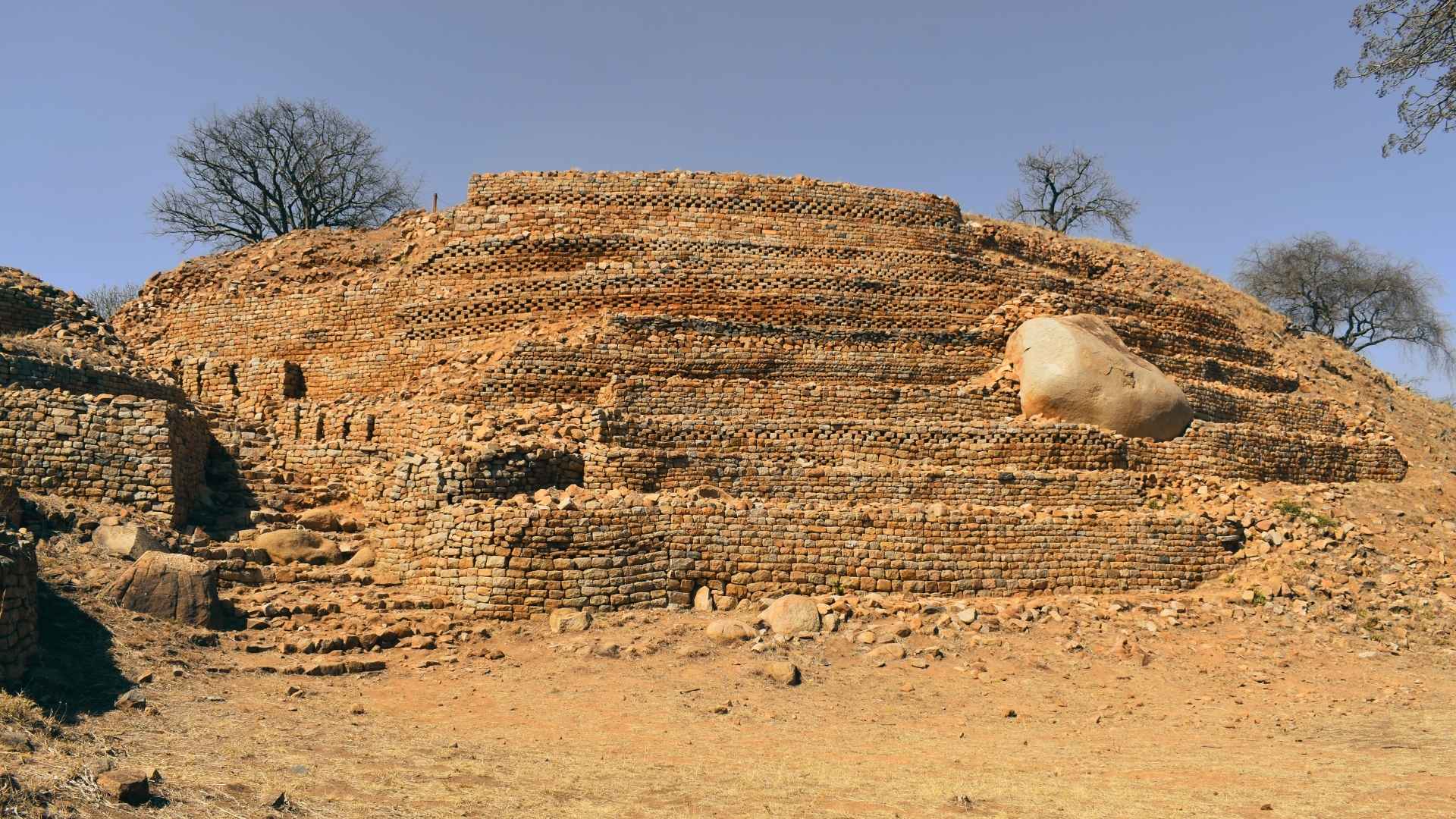
It sits 22 km from Bulawayo, on a granite ridge above the Khami river. Stone walls run for kilometres along the ridge, in the same dry-stone style as Great Zimbabwe but built into terraces, sympathetic to the land. The Hill Complex, where the king lived, is the oldest part. The Cross Ruin, named for a Portuguese cross found there, is one of the few sites in southern Africa with archaeological evidence of European contact in the early colonial period.
Why it stays unknown
Khami was looted in the early 20th century. Treasure-hunters ran trenches through the floors. Most of what was visible has been removed or moved. What remains is the architecture, and that is what matters: the geometry of the walls, the granite courses, the way the residential terraces step down the ridge as the rank of the resident drops.
Modern Zimbabwe travel skipped Khami because the road network through the second half of the 20th century made it logistically harder than Great Zimbabwe. That is no longer true. From Bulawayo it is forty minutes on a paved road.
What we recommend
For half a day: Khami Ruins UNESCO Heritage Tour. A guide trained on the site walks you through the layout, the chronology, and the politics of why this place was the most powerful court in southern Africa for two and a half centuries.
For two days: stay at Khami Lodge, a private 6,500-acre wilderness that abuts the ruins, with leopard tracking on foot and a lodge designed to disappear into the granite.
For two weeks: the UNESCO Heritage Circuit, the only itinerary that links Khami with Great Zimbabwe and Matobo Hills as a single journey.
Khami is the kind of place that, if it were anywhere else, would have a queue. Here you get the architecture, the history, and the granite, and you might be the only people on the ridge that morning.
Josh