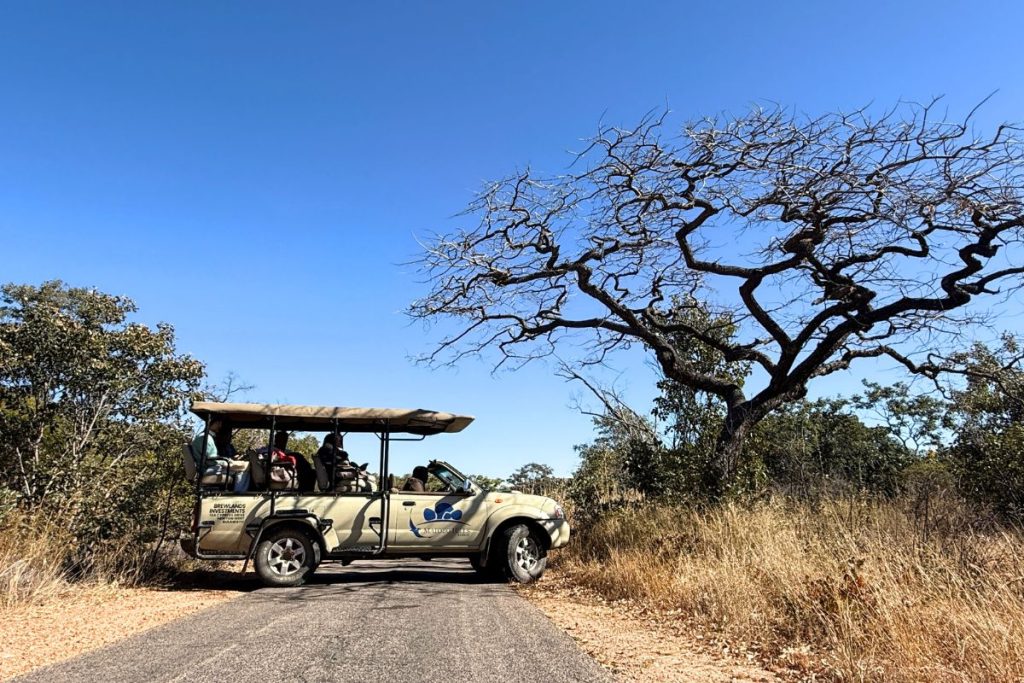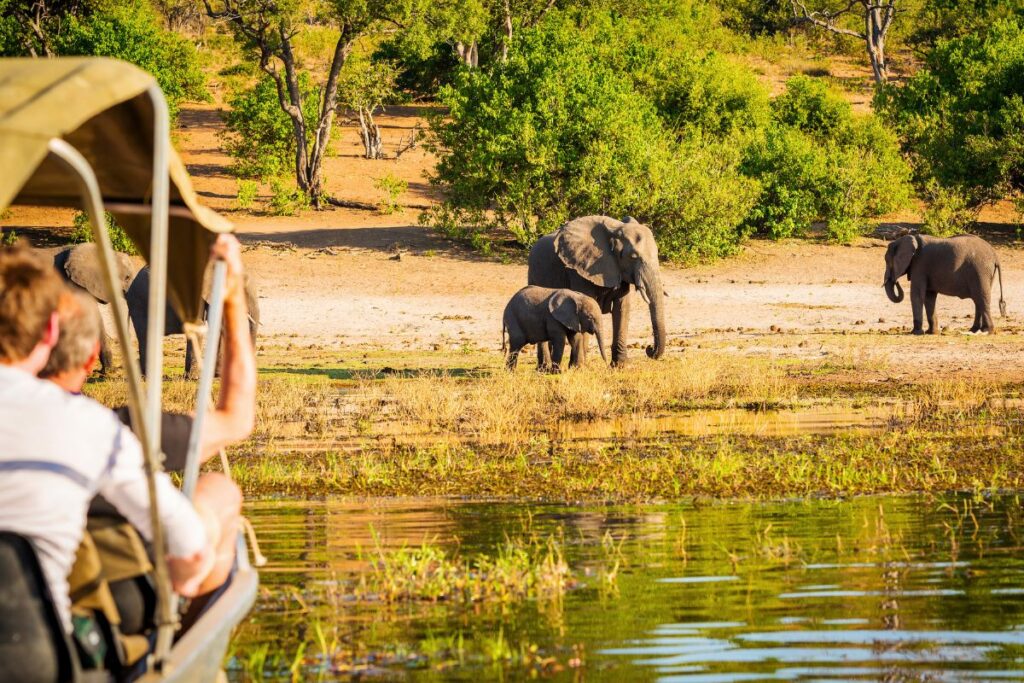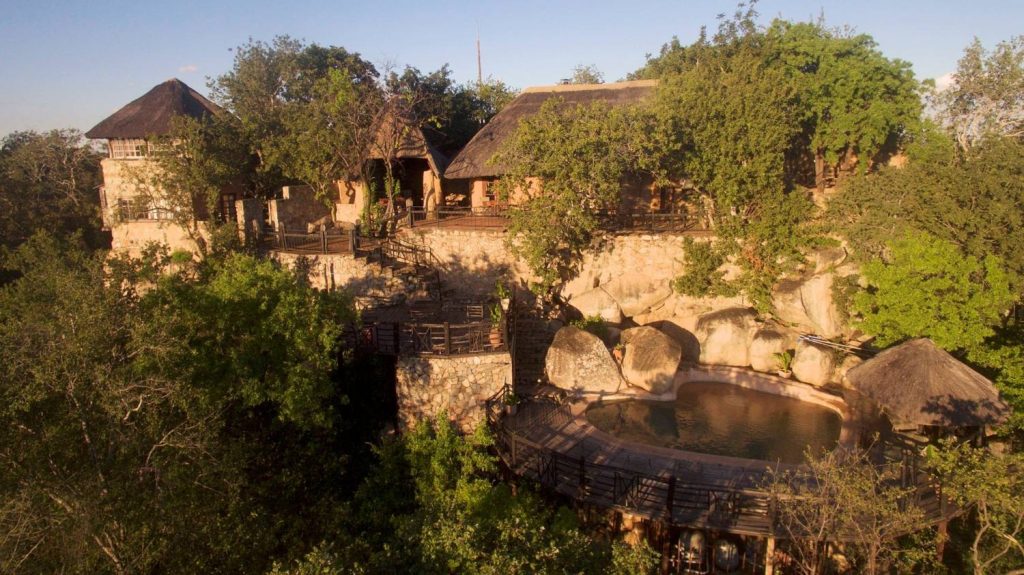
Private3 days
Khami Lodge: Private Wilderness Stay
Leopard, ancient ruins, and total silence
From $850 per person
View this trip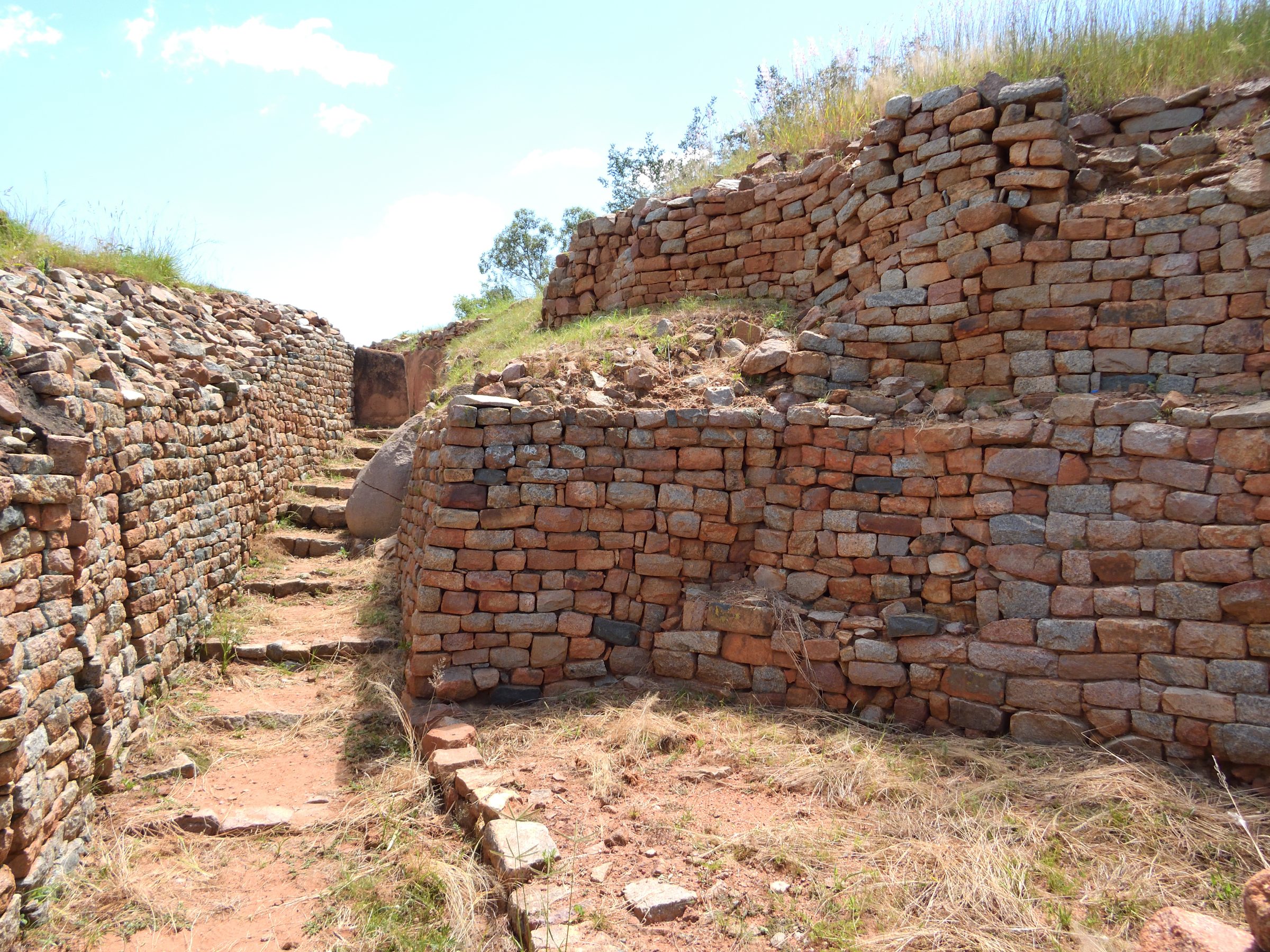
Zimbabwe · UNESCO World Heritage Site
The kingdom that succeeded Great Zimbabwe, and the UNESCO site even most Zimbabweans haven’t heard of.
Khami was the capital of the Torwa state from roughly 1450 to 1683: the kingdom that rose when Great Zimbabwe fell.
The stone walls run for kilometres along the ridge above the Khami river, in the same dry-stone tradition as Great Zimbabwe but more decorative. It is a UNESCO World Heritage Site, 25 minutes from Bulawayo, and most days you will have it to yourself.
“When I bring a guest to Khami for the first time, the response is always the same: 'Why is no-one else here?' That's the answer, and the gift.”
Best Year-round 14 experiences UNESCO World Heritage Site
Recommended trips
Khami slots into any Matabeleland route as the half-day that stays with people. These trips build it in properly.
Leopard, ancient ruins, and total silence
From $850 per person
View this trip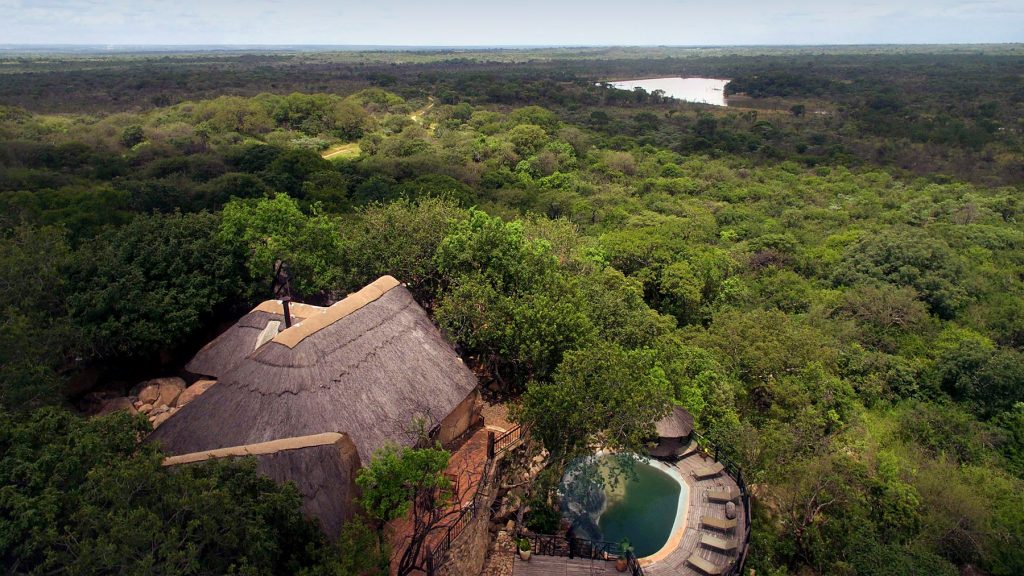
Khami heritage and private reserve, then two nights in the Matobo Hills
From $1,880 per person
View this trip
Three UNESCO World Heritage Sites. One unmissable journey.
From $3,200 per person
View this tripLooking for something different? View all 14 Khami Ruins trips →
Why ZimTravellers
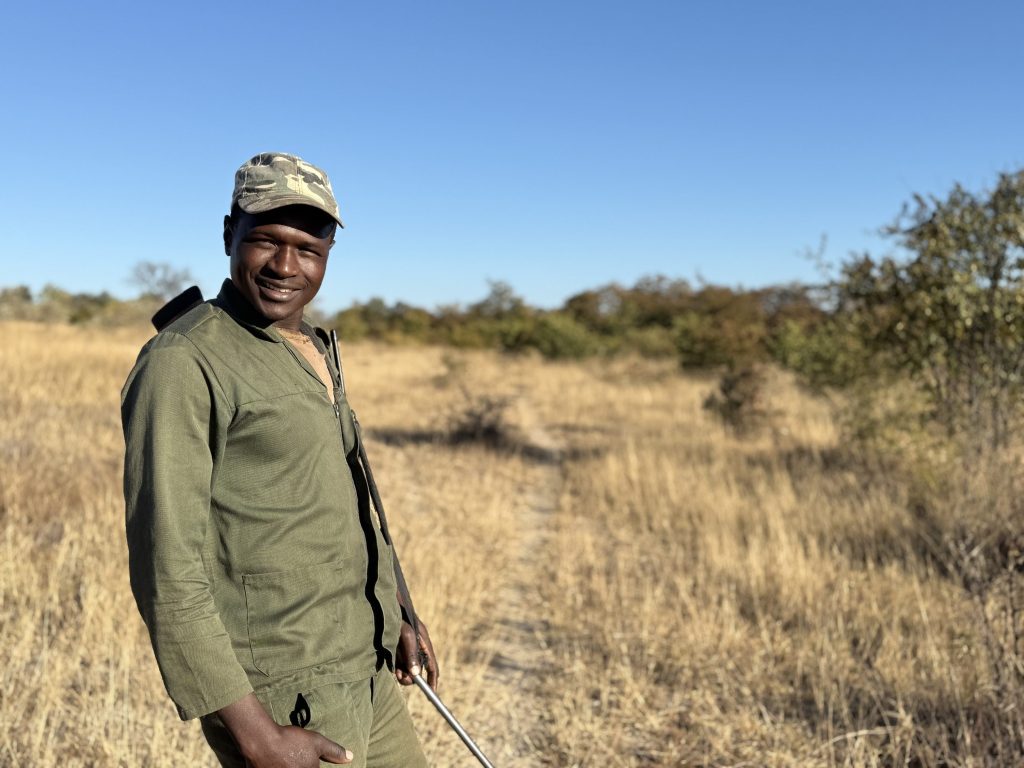
ZimTravellers is not a call centre. Josh Elliott, fifth-generation Zimbabwean and owner of Matobo Hills Lodge, writes every itinerary himself, drives these roads, and answers every email within one working day. That changes what a trip here can be.
You plan directly with Josh from first enquiry to the trip itself: one point of contact, whether the day is run by our own team or a hand-picked local operator.
Five generations in Zimbabwe means we know the guides, the border posts and the fuel stops first-hand.
WhatsApp Josh before, during and after the trip. Office hours Mon to Fri 08:00 to 17:00 and Sat 09:00 to 13:00 CAT. Replies within one working day.
Routes are built from scratch around what you want from the country.
Tell Josh what you’d want from a few days in Khami Ruins and he’ll write you a route. No template, no commission desk.
Make an enquirySignature experiences

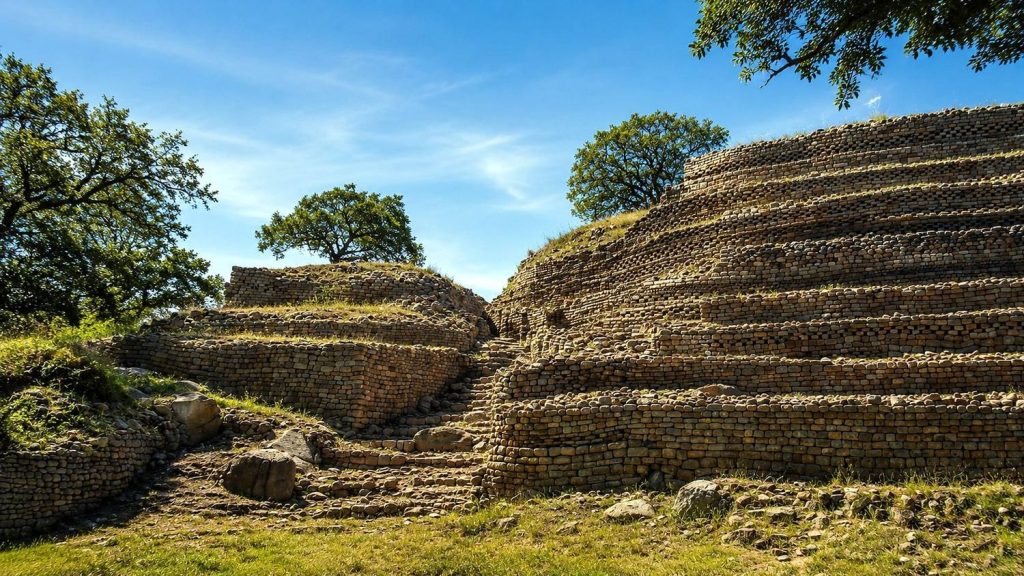
Khami Ruins
The royal residence: terraced stone platforms with intricate chevron patterns, more decorative than Great Zimbabwe.
Khami Ruins
A stone cross motif sometimes discussed in relation to early European contact; its interpretation deserves careful archaeological context.
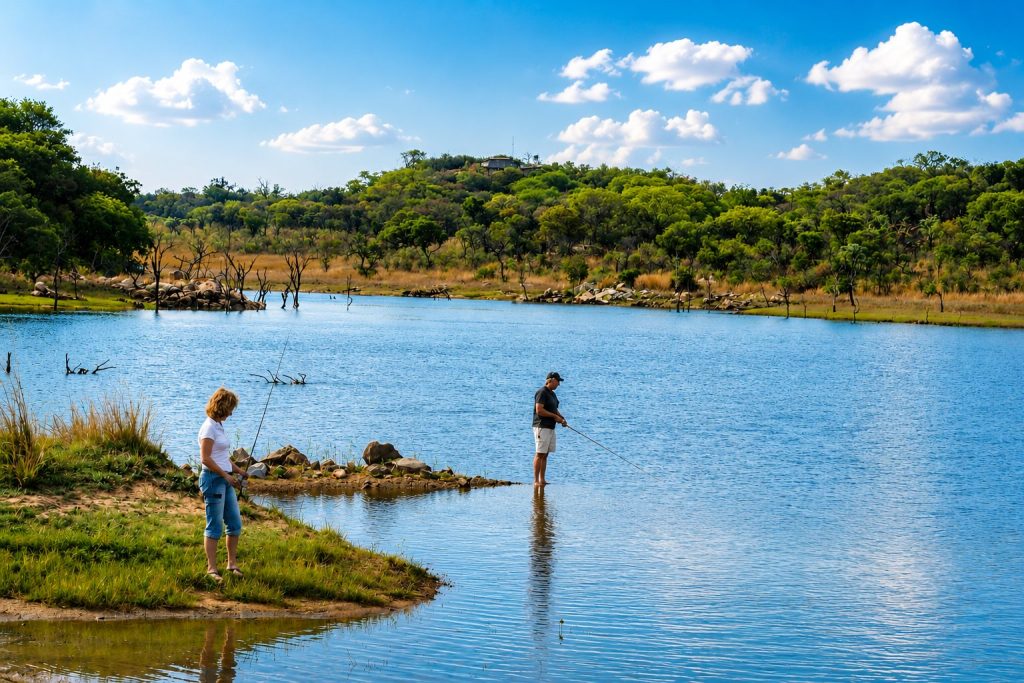
Khami Ruins
Granite-rich riparian valley. Birding excellent. The walk between the ruins gives the geographical context the site deserves.
Khami Ruins
Small but well-curated. Pottery, gold artifacts, and the Iron-Age timeline. Allow 45 minutes.
Recommended accommodation
A short planning list, not a price promise. We confirm the right property, room and current rate for your dates before you commit.
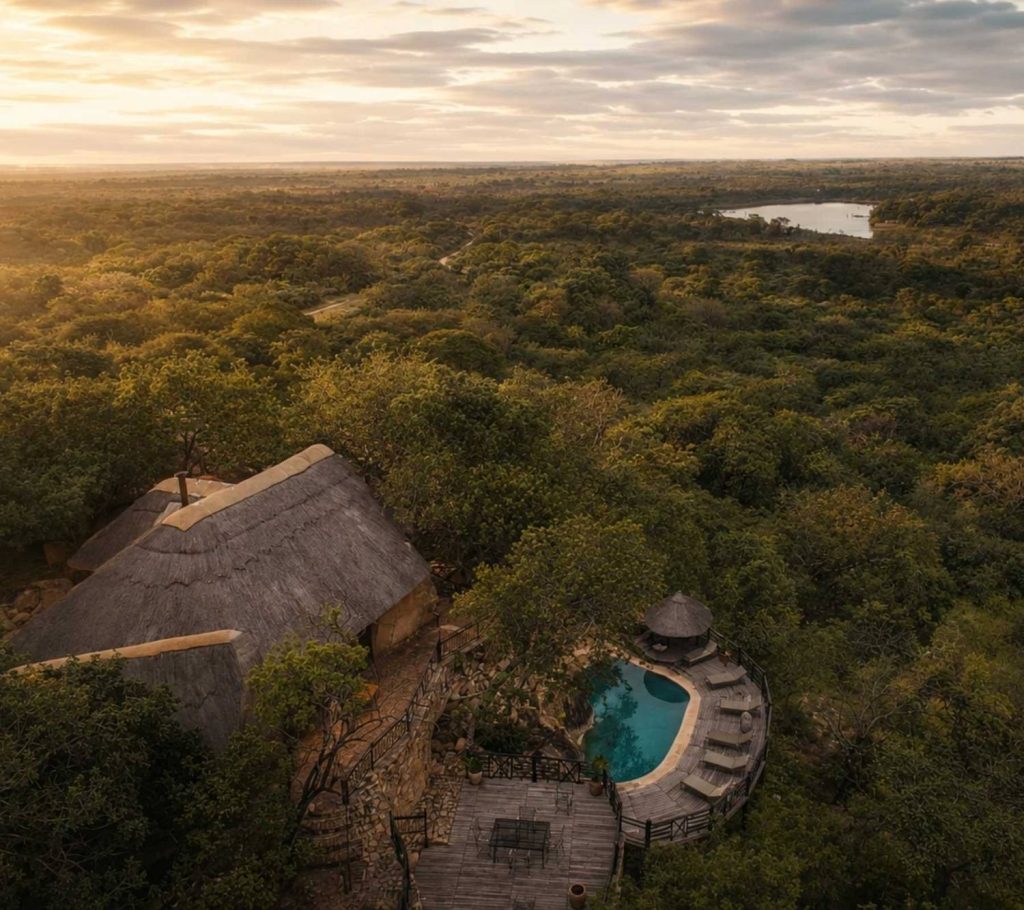
Khami Ruins stay · availability and current rate confirmed before your proposal.
View this stay →
Speak to Josh
Tell me your dates, your party, and what you want from Khami Ruins. I’ll reply with a route and honest advice on what to skip.
+263 777 963 710 · Mon to Fri 08:00 to 17:00 · Sat 09:00 to 13:00 CAT · Closed Sundays & public holidays
“I answer every email here personally, within one working day.”
Ways to travel

Josh writes the route from scratch around your dates, your pace, your rooms and what you want from the country. Most guests travel this way.
On the map
Drive from Bulawayo: about 25 minutes. Combine it with a Bulawayo or Matobo stay; the pairing works in either direction.
Every marker is a link: tap a region to open its page. Hold Ctrl (⌘ on Mac) and scroll, or use the buttons, to zoom.
When to travel
● Peak◐ Shoulder○ Green season
Year-round. Mornings May to July are cool and clear, with the best light on the stonework. In October and November go early; the middle of the day is fierce.
All trips
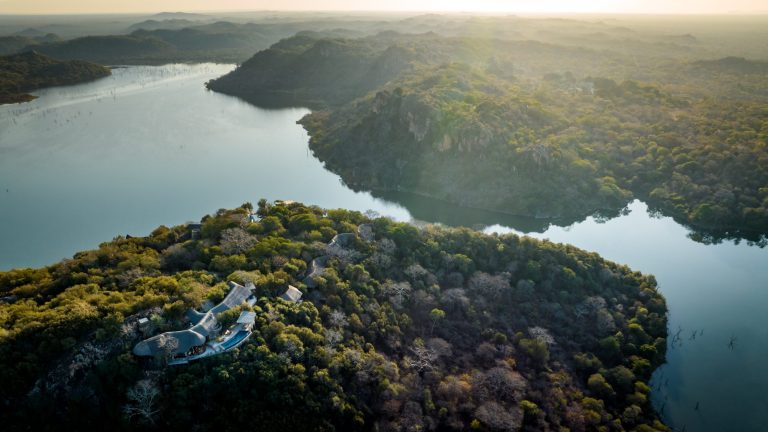
14 Days · Private (max 8 guests)
Singita, Matobo and the Cape: Africa at its most polished
From $25,500 ppView trip →
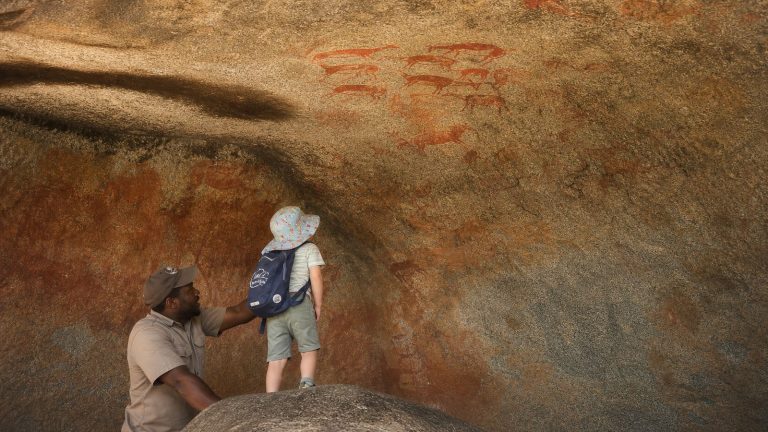
12 Days · Private (max 8 guests)
A family safari with history between the game drives
From $9,900 ppView trip →
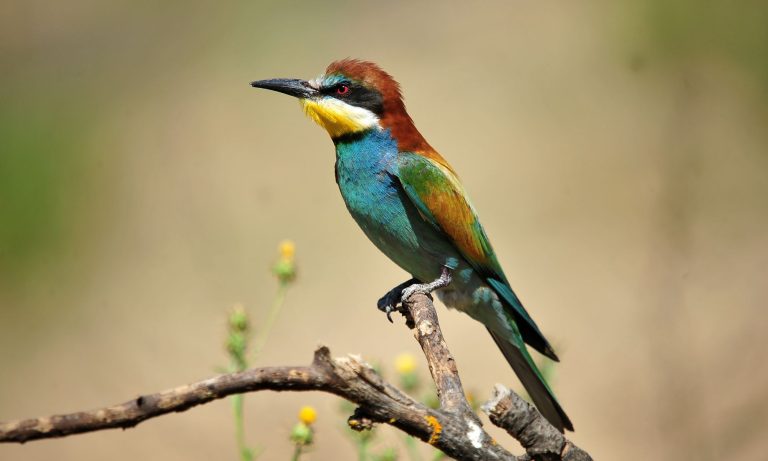
11 Days · Private (max 8 guests)
Chasing Zimbabwe's rarest wings
From $4,900 ppView trip →
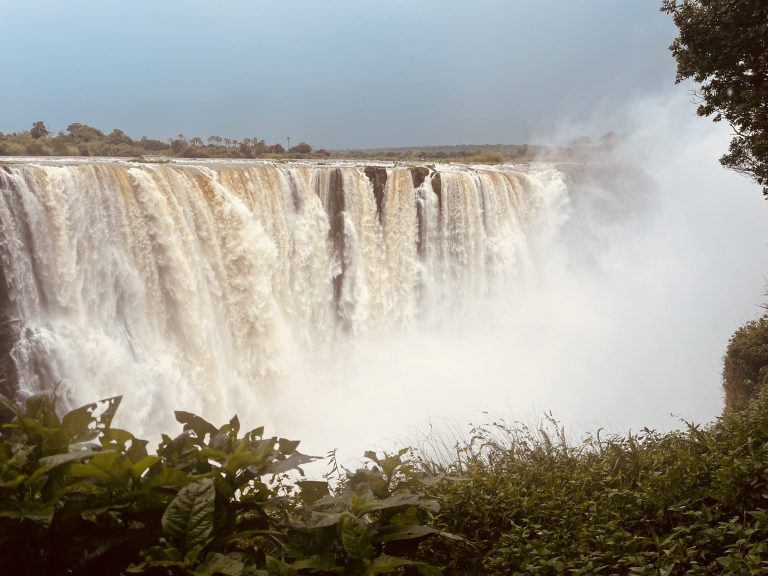
10 Days · Private (max 8 guests)
Khami, Matobo, Hwange and the Falls, in ten days
From $5,200 ppView trip →
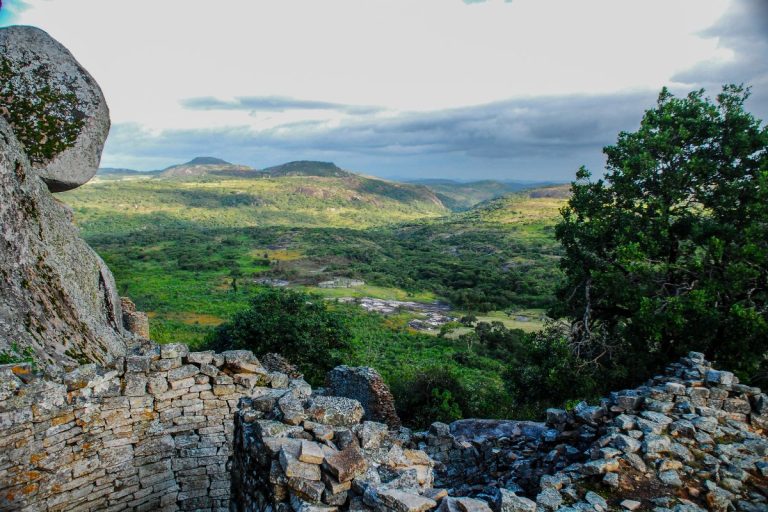
10 Days · Private (max 8 guests)
Rhinos, mountains, stone cities and elephants, overland
From $6,800 ppView trip →
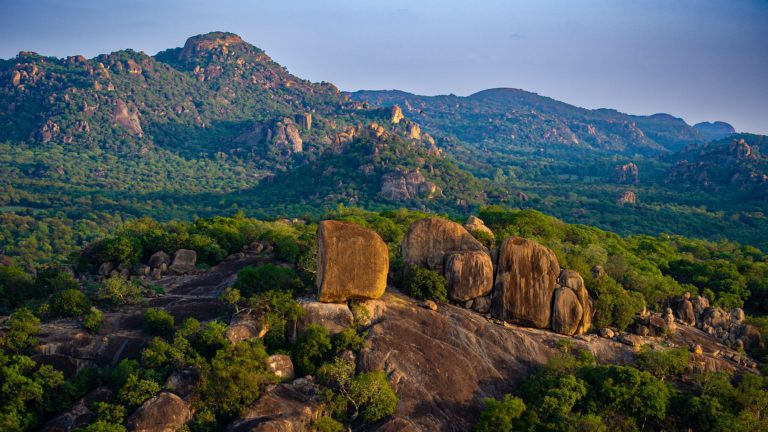
8 Days · Private (max 8 guests)
The Falls, the elephants and the granite, in eight days
From $5,950 ppView trip →
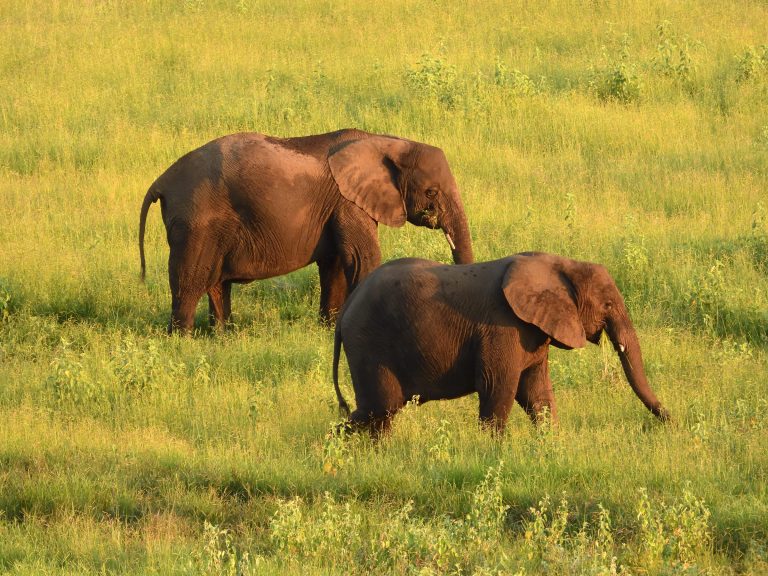
7 Days · Private (max 8 guests)
Track rhinos, scout leopards, and camp among elephants on this wild, budget-friendly camping safari through Zimbabwe’s hidden corners.
Price on requestView trip →
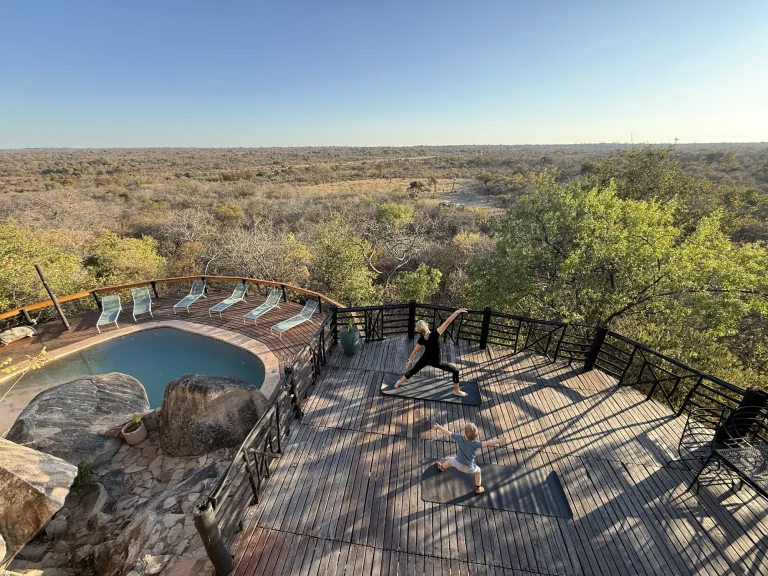
7 Days · Max 8 guests
Breath and bush at Khami Sanctuary
From $2,200 ppView trip →
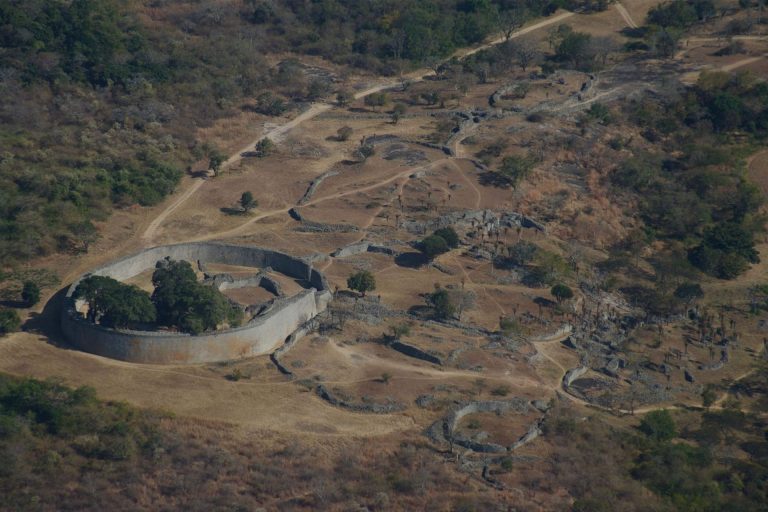
7 Days · Private (2 to 8 guests)
Three UNESCO World Heritage Sites. One unmissable journey.
From $3,200 ppView trip →
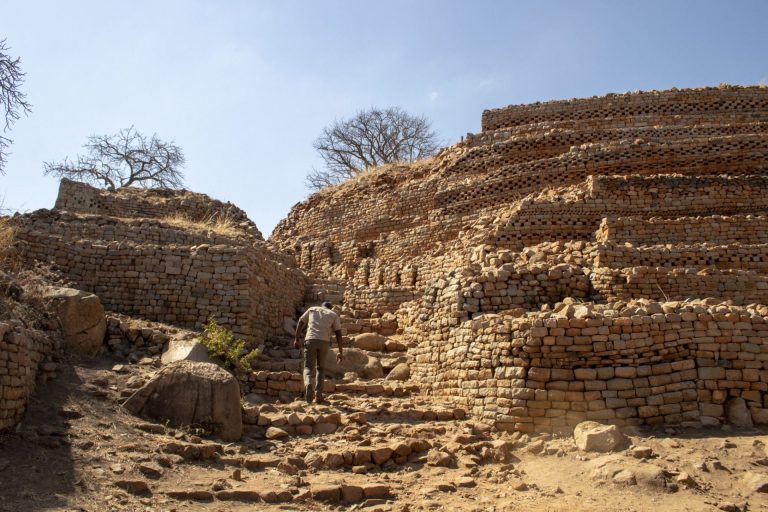
6 Days · Private (max 8 guests)
Ancient ruins, sacred hills and timeless cave paintings
From $2,600 ppView trip →
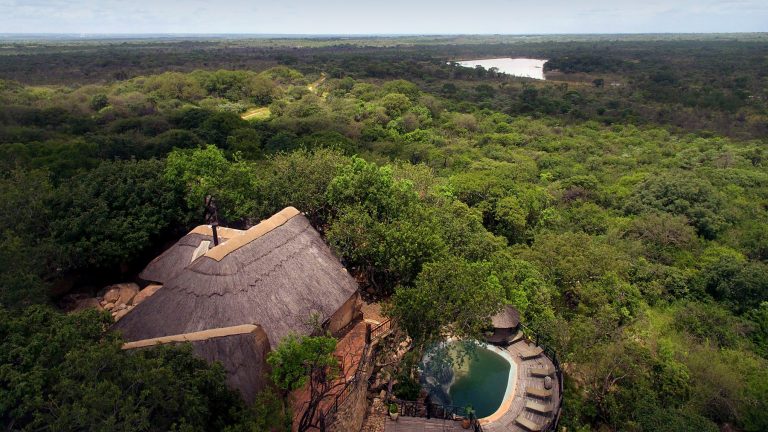
5 Days · Private (max 8 guests)
Khami heritage and private reserve, then two nights in the Matobo Hills
From $1,880 ppView trip →
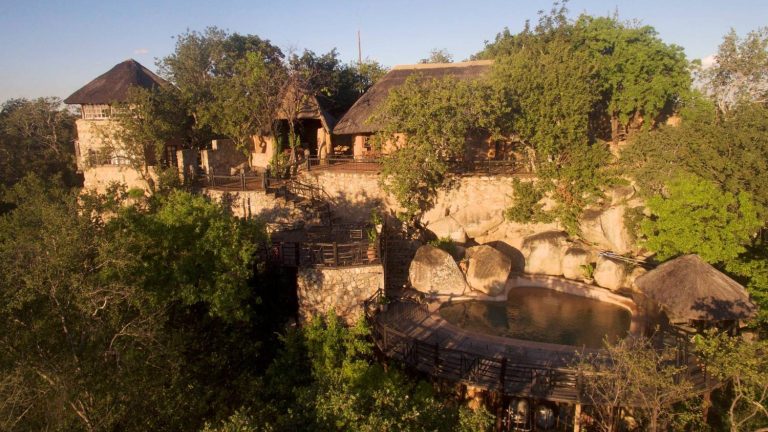
3 Days · Private (max 10 guests, exclusive use available)
Leopard, ancient ruins, and total silence
From $850 ppView trip →

Full-Day Tours · Private (max 10 guests)
One day, one place: a UNESCO ruin and our own private wilderness
From $225 ppView trip →
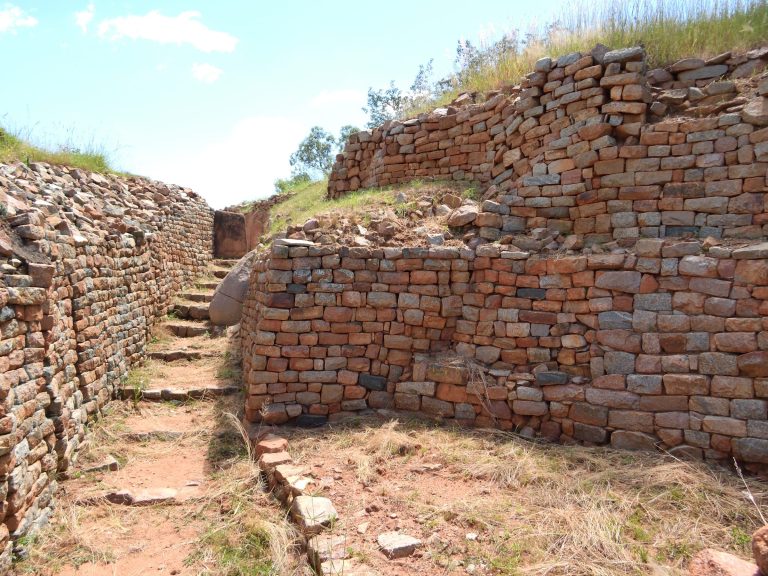
Half-Day Tours · Max 12 guests
A World Heritage Site, all to yourself
From $95 ppView trip →
No trips match those filters here, so tell Josh what you’re after and he’ll build it.
Frequently asked
Plan your trip
Tell Josh your dates and your party. You’ll get a route, straight answers, and a reply within one working day.
A few cookies help us see what you enjoy and keep your visit smooth. Nothing is shared without your say‑so.
The essentials: page caching, secure enquiry forms and remembering this very choice. They store nothing about you for marketing.
Anonymous statistics: which tours people linger on and where visitors arrive from, so we can make your next visit smoother. IP addresses are anonymised.
Lets us measure our own campaigns and show you relevant journeys rather than random noise. Never switched on without your yes.