Private14 days
Singita Pamushana, Matobo, Sabi Sands & Cape Town
Singita, Matobo and the Cape: Africa at its most polished
From $25,500 per person
View this trip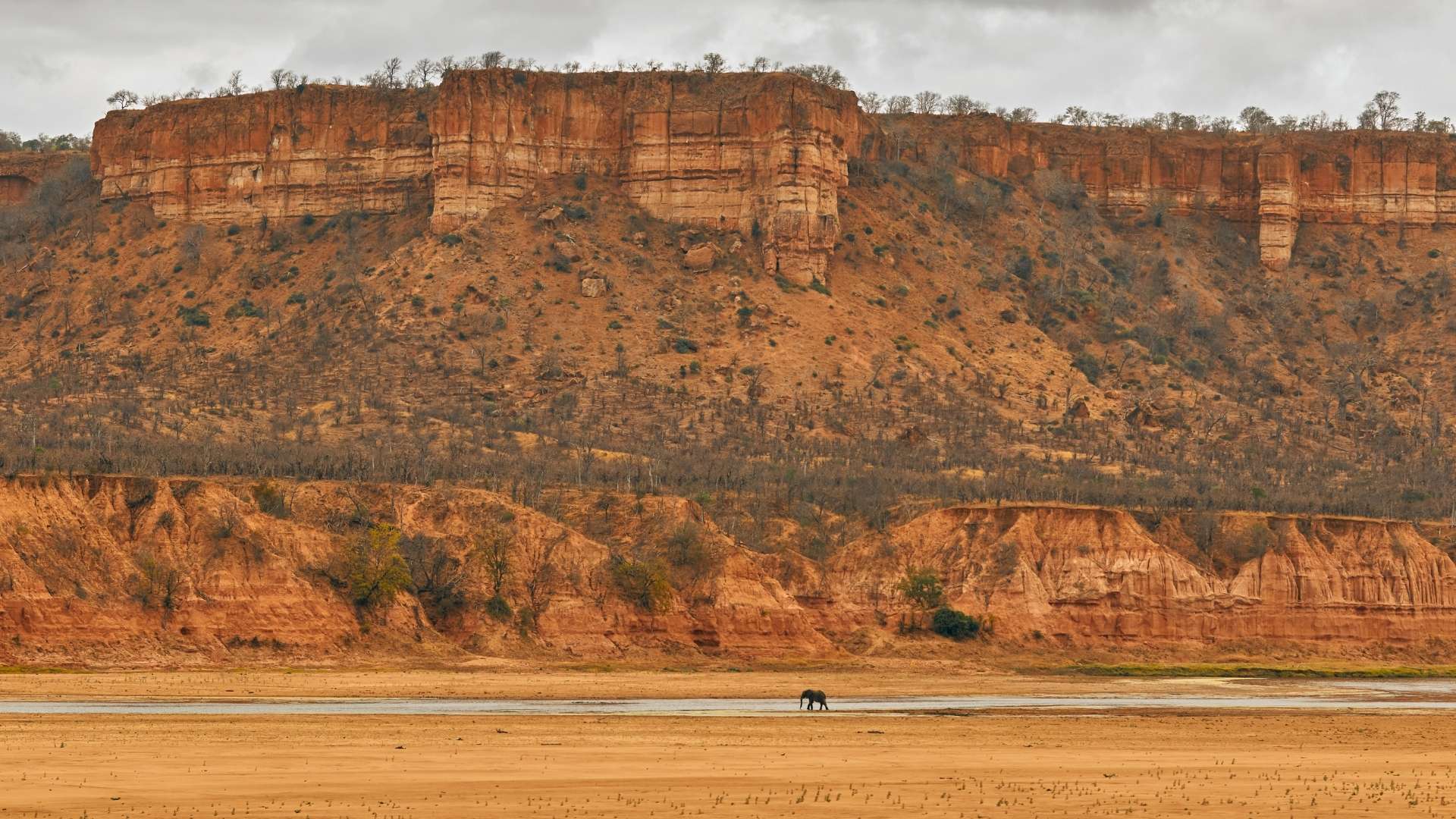
Zimbabwe · Greater Limpopo TFCA
“The place of elephants”: 5,053 square kilometres of rivers, baobab country and red Chilojo sandstone.
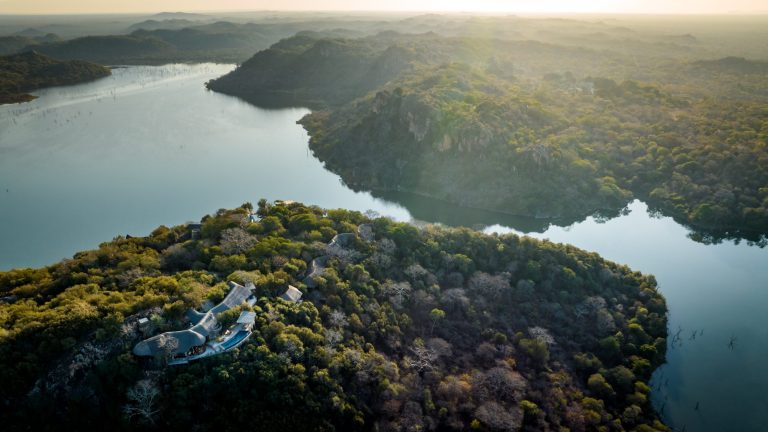
Gonarezhou means “the place of elephants” and covers 5,053 square kilometres of red sandstone, baobab country and three major river systems.
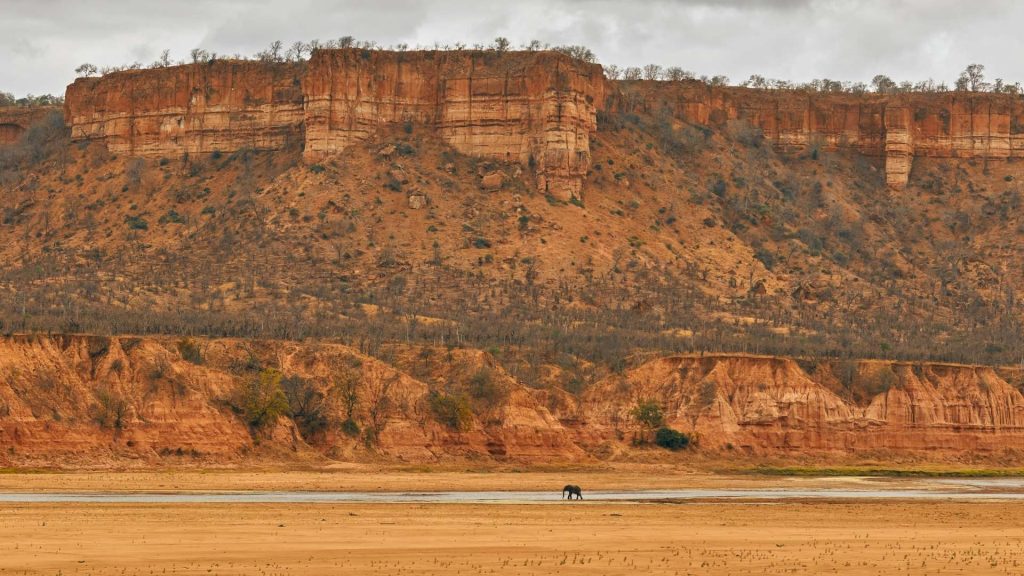
The Chilojo Cliffs rise above the Runde River, while the park forms Zimbabwe’s part of the Greater Limpopo transfrontier landscape. Black rhino returned in 2021 and white rhino in 2025, re-establishing the Big Five.
“Gonarezhou is the Zimbabwe most travellers never see, and the Zimbabwe most Zimbabweans haven't been to. That's exactly the point.”
Best May to October 2 experiences Greater Limpopo TFCA
Recommended trips
Gonarezhou is a connoisseur’s park. One route in, done properly.
Singita, Matobo and the Cape: Africa at its most polished
From $25,500 per person
View this trip
Matetsi to Singita: Zimbabwe without compromise
From $24,050 per person
View this tripLooking for something different? View all 2 Gonarezhou trips →
Why ZimTravellers
ZimTravellers is not a call centre. Josh Elliott, fifth-generation Zimbabwean and owner of Matobo Hills Lodge, writes every itinerary himself, drives these roads, and answers every email within one working day. That changes what a trip here can be.
You plan directly with Josh from first enquiry to the trip itself: one point of contact, whether the day is run by our own team or a hand-picked local operator.
Five generations in Zimbabwe means the guides, the border posts and the fuel stops are known first-hand.
WhatsApp Josh before, during and after the trip. Office hours Mon to Fri 08:00 to 17:00 and Sat 09:00 to 13:00 CAT; replies within one working day.
Routes are built around what you want from the country.
Tell Josh what you’d want from a few days in Gonarezhou and he’ll write you a route. No template, no commission desk.
Make an enquirySignature experiences
Gonarezhou
Red sandstone cliffs above the Runde River, especially rewarding in low-angle morning or late-afternoon light.
Gonarezhou
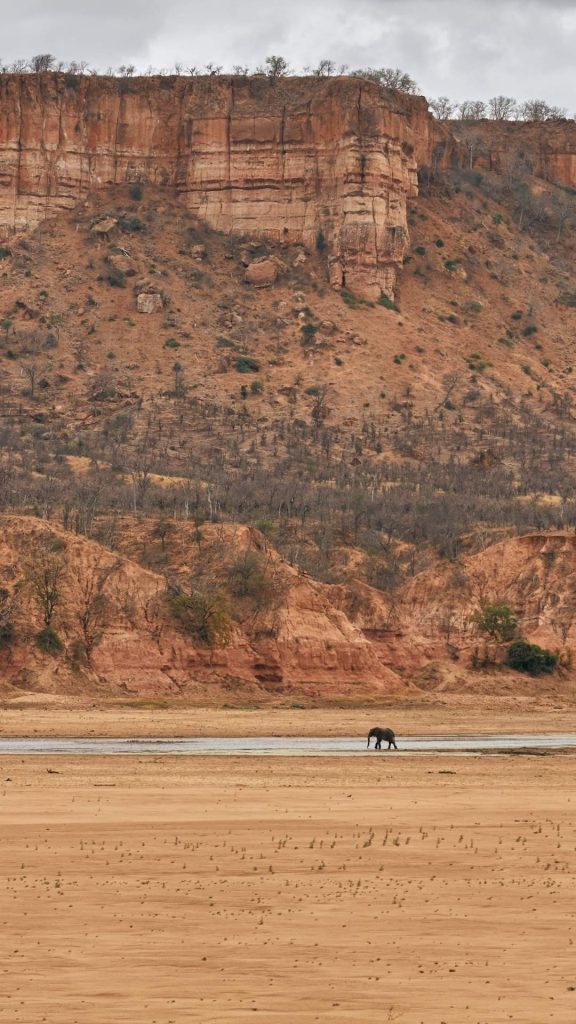
Some of the largest baobabs in Africa. The tree of life and the cathedral of the southern part of the park.

Gonarezhou
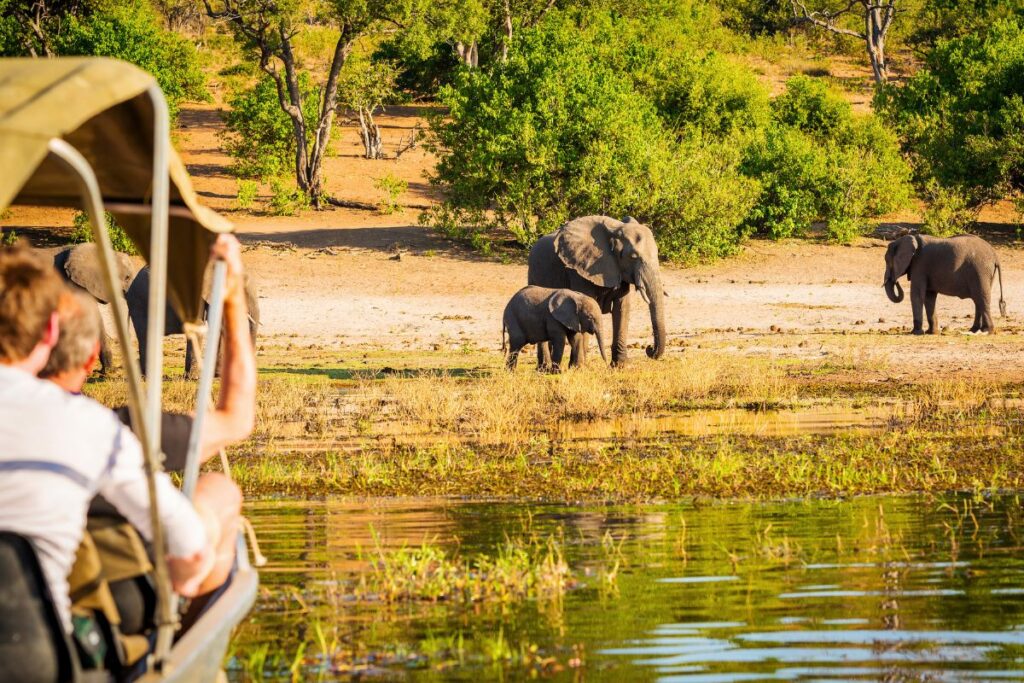
Walking permitted along the Runde and Save. Hippo pods, crocodile sandbanks, elephant herds at water.
Gonarezhou
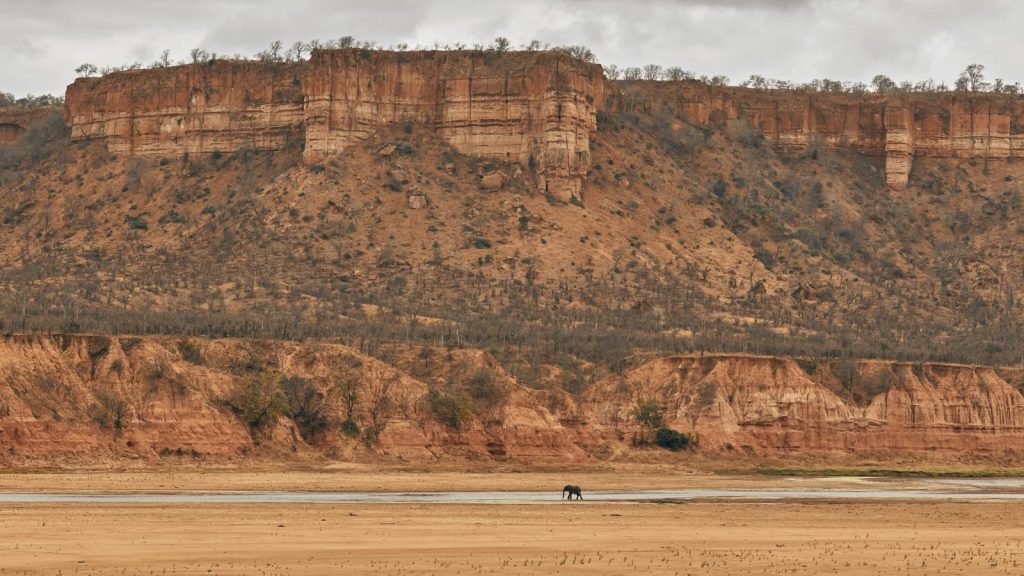
Greater Limpopo TFCA: animals move freely between Zimbabwe, Mozambique, South Africa. Restored migration routes.
Recommended accommodation
A short planning list, not a price promise. We confirm the right property, room and current rate for your dates before you commit.
Gonarezhou stay · availability and current rate confirmed before your proposal.
Ask Josh about this stay →Gonarezhou stay · availability and current rate confirmed before your proposal.
Ask Josh about this stay →
Speak to Josh
Tell me your dates, your party, and what you want from Gonarezhou. I’ll reply with a route and honest advice on what to skip.
+263 777 963 710 · Mon to Fri 08:00 to 17:00 · Sat 09:00 to 13:00 CAT · Closed Sundays & public holidays
“I answer every email here personally, within one working day.”
Ways to travel

Josh writes the route from scratch around your dates, your pace, your rooms and what you want from the country. Most guests travel this way.
On the map
Charter flight to Buffalo Range (BFO): about 90 minutes from Harare, two hours from Victoria Falls. The drive from Harare runs seven to eight hours; we don’t recommend it.
Every marker is a link: tap a region to open its page. Hold Ctrl (⌘ on Mac) and scroll, or use the buttons, to zoom.
When to travel
● Peak◐ Shoulder○ Green season
May to October: peak. Dry and open. The herds hold to the rivers and the cliffs photograph best at last light.
November to April: closed season. Most camps shut and the roads go under. The park comes back online in late April.
All trips
14 Days · Private (max 8 guests)
Singita, Matobo and the Cape: Africa at its most polished
From $25,500 ppView trip →

12 Days · Private (max 8 guests)
Matetsi to Singita: Zimbabwe without compromise
From $24,050 ppView trip →
No trips match those filters here, so tell Josh what you’re after and he’ll build it.
Frequently asked
Plan your trip
Tell Josh your dates and your party. You’ll get a route, straight answers, and a reply within one working day.
A few cookies help us see what you enjoy and keep your visit smooth. Nothing is shared without your say‑so.
The essentials: page caching, secure enquiry forms and remembering this very choice. They store nothing about you for marketing.
Anonymous statistics: which tours people linger on and where visitors arrive from, so we can make your next visit smoother. IP addresses are anonymised.
Lets us measure our own campaigns and show you relevant journeys rather than random noise. Never switched on without your yes.