Private5 days
Mountains, Mist & Ancient Stone
The Eastern Highlands through to Great Zimbabwe
From $2,300 per person
View this trip
Zimbabwe · Highlands
Misty mountains, ancient forests, and the cool, green Zimbabwe most travellers don’t know exists.
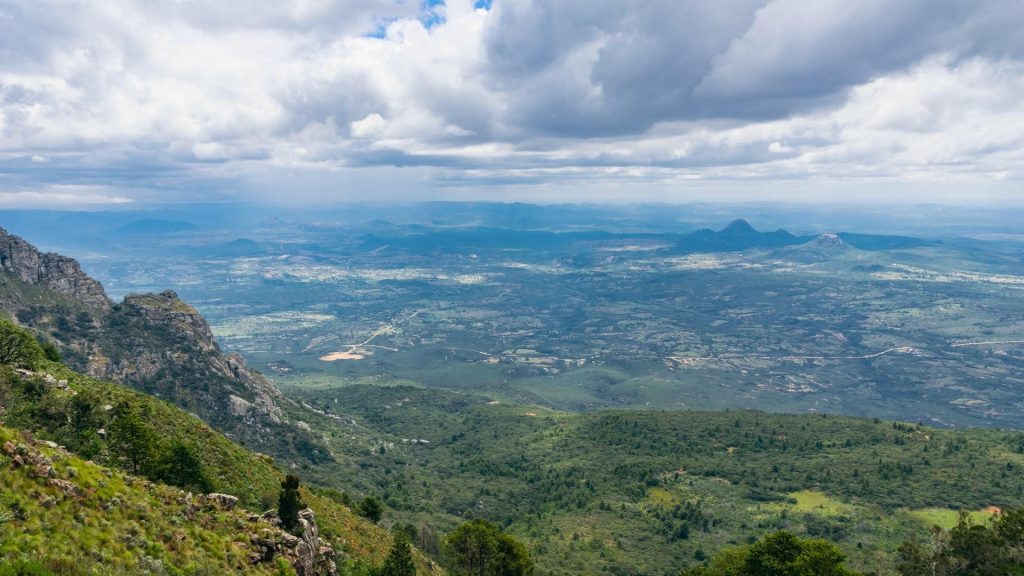
The Eastern Highlands are the Zimbabwe nobody expects: cool mountain air, ancient forest, waterfalls, and tea estates rolling along the Mozambique border.
Mount Nyangani reaches 2,592 metres, Zimbabwe’s highest point; Mutarazi Falls drops 762 metres and is the country’s highest waterfall. Chimanimani’s quartzite peaks and the Honde Valley’s tea and coffee country add a very different landscape to a Zimbabwe route.
“When the bush gets too hot, this is where Zimbabweans go. Cool air, mountain trails, and trout for breakfast.”
Best May to October 2 experiences Nyangani · Chimanimani
Recommended trips
The Highlands earn their nights as the cool counterweight to the bush. Two routes carry them.
The Eastern Highlands through to Great Zimbabwe
From $2,300 per person
View this trip
Rhinos, mountains, stone cities and elephants, overland
From $6,800 per person
View this tripLooking for something different? View all 2 Eastern Highlands trips →
Why ZimTravellers
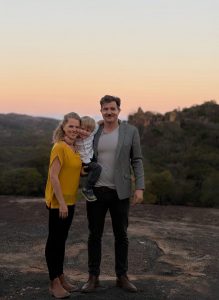
ZimTravellers is not a call centre. Josh Elliott, fifth-generation Zimbabwean and owner of Matobo Hills Lodge, writes every itinerary himself, drives these roads, and answers every email within one working day. That changes what a trip here can be.
You plan directly with Josh from first enquiry to the trip itself: one point of contact, whether the day is run by our own team or a hand-picked local operator.
Five generations in Zimbabwe means the guides, the border posts and the fuel stops are known first-hand.
WhatsApp Josh before, during and after the trip. Office hours Mon to Fri 08:00 to 17:00 and Sat 09:00 to 13:00 CAT; replies within one working day.
Routes are built around what you want from the country.
Tell Josh what you’d want from a few days in Eastern Highlands and he’ll write you a route. No template, no commission desk.
Make an enquirySignature experiences
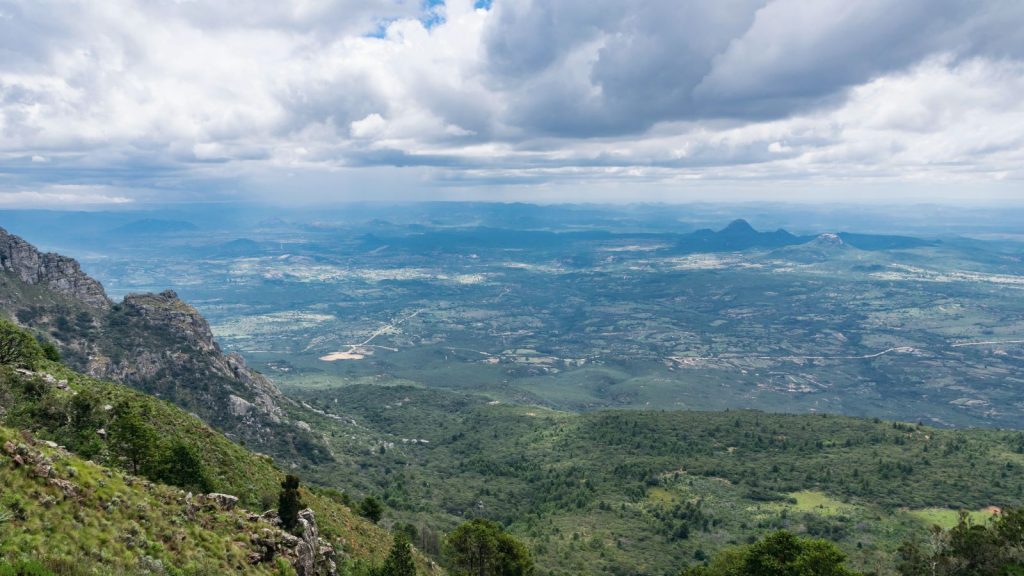
Eastern Highlands
Zimbabwe's highest peak: 2,592m. The summit hike takes a fit walker about three hours up.
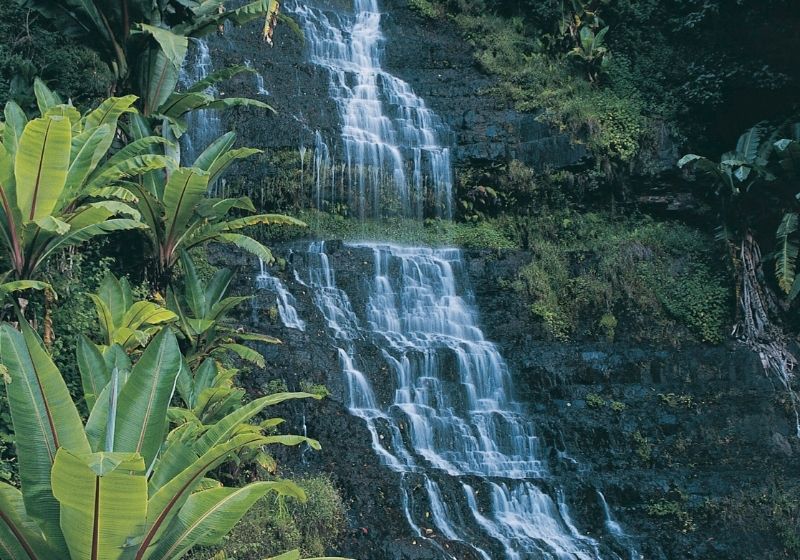
Eastern Highlands
Zimbabwe’s highest waterfall, with a recorded drop of 762 metres; nearby activities operate subject to weather and current access.
Eastern Highlands
Pristine wilderness on the Mozambique border. Multi-day trails through quartzite peaks.
Eastern Highlands
Tea estates, boutique coffee farms, and a frontier-feeling drop into Mozambique below.
Recommended accommodation
A short planning list, not a price promise. We confirm the right property, room and current rate for your dates before you commit.
Eastern Highlands stay · availability and current rate confirmed before your proposal.
Ask Josh about this stay →Eastern Highlands stay · availability and current rate confirmed before your proposal.
Ask Josh about this stay →Eastern Highlands stay · availability and current rate confirmed before your proposal.
Ask Josh about this stay →
Speak to Josh
Tell me your dates, your party, and what you want from Eastern Highlands. I’ll reply with a route and honest advice on what to skip.
+263 777 963 710 · Mon to Fri 08:00 to 17:00 · Sat 09:00 to 13:00 CAT · Closed Sundays & public holidays
“I answer every email here personally, within one working day.”
Ways to travel

Josh writes the route from scratch around your dates, your pace, your rooms and what you want from the country. Most guests travel this way.
On the map
Drive from Harare: three and a half hours to Nyanga, four to the Bvumba, five to Chimanimani. The roads are good and the drive is part of the point.
Every marker is a link: tap a region to open its page. Hold Ctrl (⌘ on Mac) and scroll, or use the buttons, to zoom.
When to travel
● Peak◐ Shoulder○ Green season
May to October: clear and dry. The hiking season. Summit views at their sharpest, cold mornings, bright days.
November to April: the rains. The mountains go impossibly green, the falls run at full height, and some trails close.
All trips
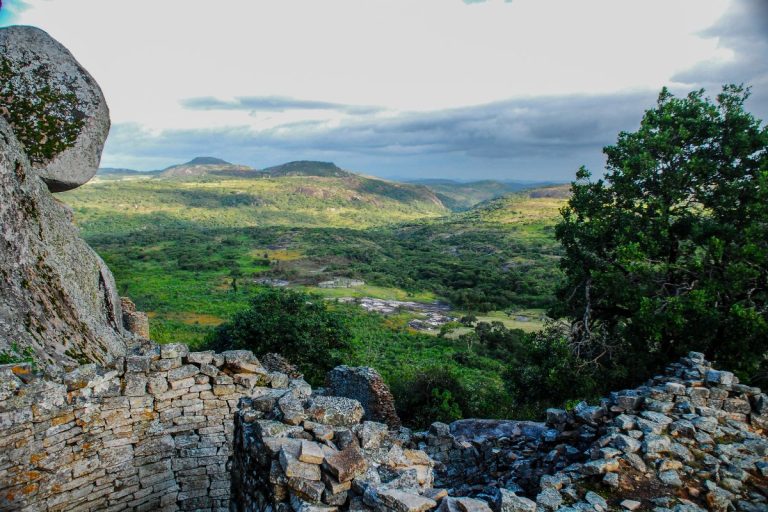
10 Days · Private (max 8 guests)
Rhinos, mountains, stone cities and elephants, overland
From $6,800 ppView trip →

5 Days · Private (max 8 guests)
The Eastern Highlands through to Great Zimbabwe
From $2,300 ppView trip →
No trips match those filters here, so tell Josh what you’re after and he’ll build it.
Frequently asked
Plan your trip
Tell Josh your dates and your party. You’ll get a route, straight answers, and a reply within one working day.
A few cookies help us see what you enjoy and keep your visit smooth. Nothing is shared without your say‑so.
The essentials: page caching, secure enquiry forms and remembering this very choice. They store nothing about you for marketing.
Anonymous statistics: which tours people linger on and where visitors arrive from, so we can make your next visit smoother. IP addresses are anonymised.
Lets us measure our own campaigns and show you relevant journeys rather than random noise. Never switched on without your yes.