The question every serious safari planner asks first is the one that travel operators are trained to avoid answering directly. What does it actually cost? The answer — ‘it depends on your requirements’ — is technically accurate and practically useless.
Here is the direct version, broken down by accommodation tier, region, and group size, for 2026.
Zimbabwe’s National Parks self-catering camps offer chalets and camping at rates that are genuinely low by African standards. Hwange, Mana Pools, and Matobo all have National Parks accommodation. The trade-off is facilities — functional rather than comfortable, and requiring self-catering or picnic meals. Game viewing in some areas requires a private vehicle or hiring a parks guide.
Mid-range lodges at this price point exist across most regions and offer en-suite chalets, a chef, and guided game activities included. Quality is variable. We vet every property on our platform against a consistent set of standards before listing it.
This is the most competitive tier in Zimbabwe. Comfortable tented camps with private bathrooms, included activities (two or three game drives per day), full board catering, and guides who are qualified to a professional level. At $500 per night with international flights excluded, a seven-night Zimbabwe safari costs roughly $3,500 per person in-country. This is significantly less than an equivalent experience in Botswana or Kenya.
The value proposition at this tier in Zimbabwe is exceptional. The combination of uncrowded parks, genuinely experienced guides (many of whom have decades in Zimbabwe’s bush), and high-quality food for $400–600 per night is difficult to replicate in any other African destination.
Zimbabwe’s luxury lodges — several of which rank consistently in Africa’s top ten across independent travel publications — charge $800–1,500 per person per night. This includes all activities, all meals and beverages, laundry, and often park fees. At a lodge that has a private waterhole hide, a chef who sources local produce, a guide who knows individual animals by name, and a maximum of eight guests at a time, this represents value that genuinely competes with the finest lodges in Botswana and Tanzania.
A 7-night Zimbabwe itinerary at mid-range, including all meals and activities, costs approximately $2,800–4,500 per person in-country. Add international flights (Harare is connected to Johannesburg, Nairobi, London, Dubai, and Addis Ababa — all major hub connections for European travellers), and total cost for a 10-day trip from Europe runs $5,000–8,500 per person.
For a 10-night luxury circuit (Hwange, Mana Pools, Matobo), in-country costs run $9,000–15,000 per person. This is the tier that competes directly with Botswana and Tanzania — and at which Zimbabwe’s value for an unmatched wildlife experience is the most compelling argument.
Zimbabwe charges national park entry fees by the day. These typically run $15–30 per person per day depending on the park and activities. Most lodge rates include park fees in the quoted price — verify this at booking.
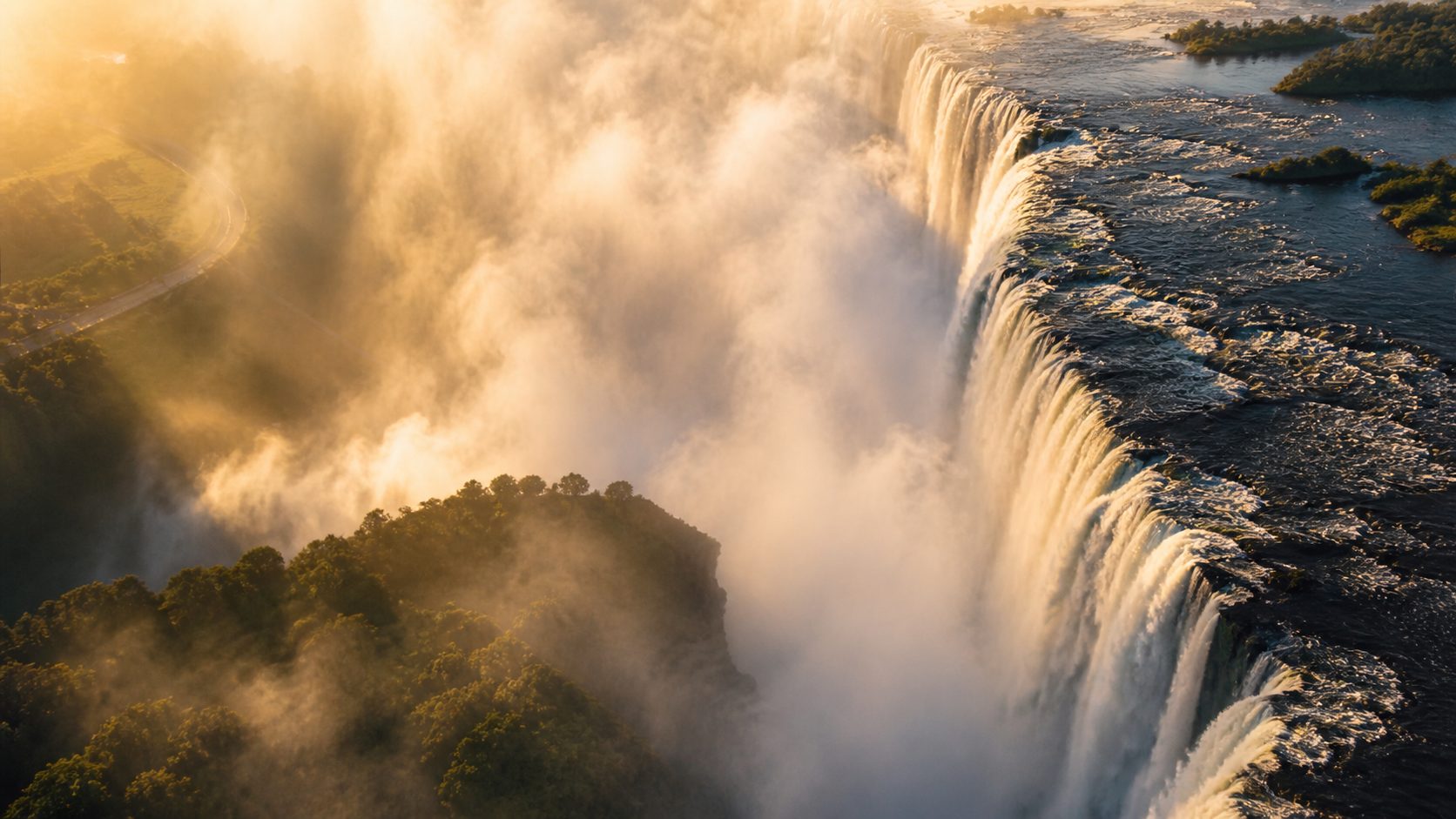
Day tours from Victoria Falls run $80–450 per person depending on the activity. Bungee jump: $160. White water rafting: $120. Full-day Hwange game drive: $220. Helicopter flight over Victoria Falls: $165. These are single-day experiences and priced accordingly.